Cold press coffee is a deliciously smooth and refreshing drink—perfect for hot summer days, or as many of our loyal customers would say, a year-round essential!
Here’s how we make ours: We start with coarsely ground beans—think French press-style. Then, we steep them in room temperature water for 24 hours to bring out a rich, full-bodied flavor. If you're in a rush, a 12-hour overnight brew can also do the trick.
To keep your cold brew grit-free, we recommend using a fine mesh strainer—nut milk bags work wonders. No strainer? No problem. A French press is an excellent alternative; just plunge and pour when it’s ready. Whether you're brewing for a sunny afternoon or stocking up for the week, cold press is an easy, rewarding ritual that never goes out of season.
Why do we love making cold brew ourselves? Simple: it's all about the smooth, clean taste. When you brew coffee with boiling water, you extract bold flavors—but you also pull out a lot of acidity, which can leave your cup tasting sharp or bitter. Cold brewing, on the other hand, uses lower temperatures that naturally reduce acidity, resulting in a smoother, more balanced flavor. Many large chains (we won’t name names) serve cold brew that’s shipped in bladders with a long shelf life. To preserve it, they often add citric acid, which gives it a tart, lemony note. That sharpness isn’t for everyone. We prefer our cold brew fresh and simple—no additives, no shortcuts—just great coffee with a mellow finish and full flavor. That's why we make it in-house.
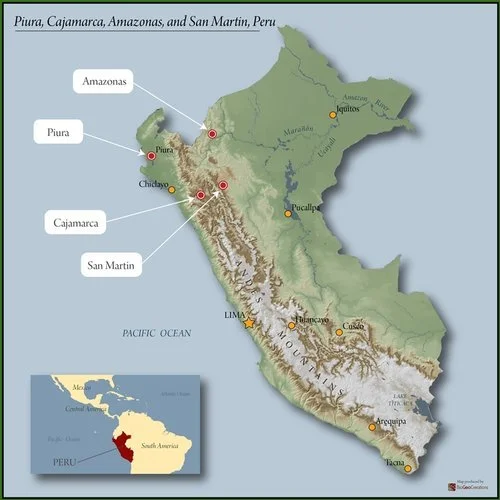
How to choose a brew for making cold brew? You can choose many depending on the flavor profile you want. We chose Peruvian shade mountain grown organic fair trade. These cherries are lower in acidity and thus more flavor can shine through. Norandino is the Coop of where our Peruvian beans come from. Coffee in Peru is mostly grown by small, indigenous farmers who use organic practices rooted in their cultural connection to the land. These farmers typically work just a few acres, growing coffee alongside crops like bananas, corn, and beans. They carefully hand-pick and process their coffee on small, home-based mills.
Supporting them are local cooperatives, which provide training and help with basic needs like roads and storage. These feed into regional cooperatives, which offer credit and fund social programs such as healthcare, education, and environmental initiatives—all funded by coffee sales.
At the top is Norandino, a large umbrella cooperative that unites three regional groups: CEPICAFE, CENFROCAFE, and Sol y Café. Together, they represent about 7,000 farmers growing coffee on 25,000 acres across northern Peru. Norandino oversees quality control and export, with a cutting-edge dry mill and a certified cupping lab that ensures each coffee’s potential is fully evaluated.
Let us know your cold brew questions and we’ll do our best to answer them. Also check out our cold press kits in the shop if you want to make them at home.